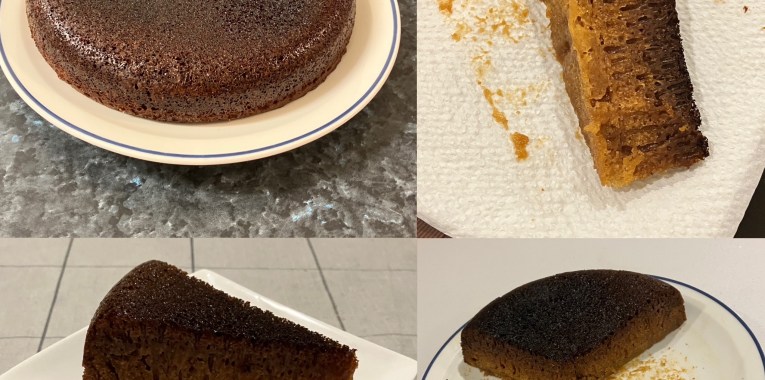
Happy Mother’s Day
Make a Beehive cake for Mother’s Day on 9/5. My youngest sister ordered Indian food that includes extremely spicy beef curry, extra spicy eggplant curry, spicy potato curry, and mild dhal and korma for the kids and my niece’s husband who can’t eat extremely spicy curry. There are also roti canai and Indian-style curry rice. My other sister is making Bi ko moi (See Note).
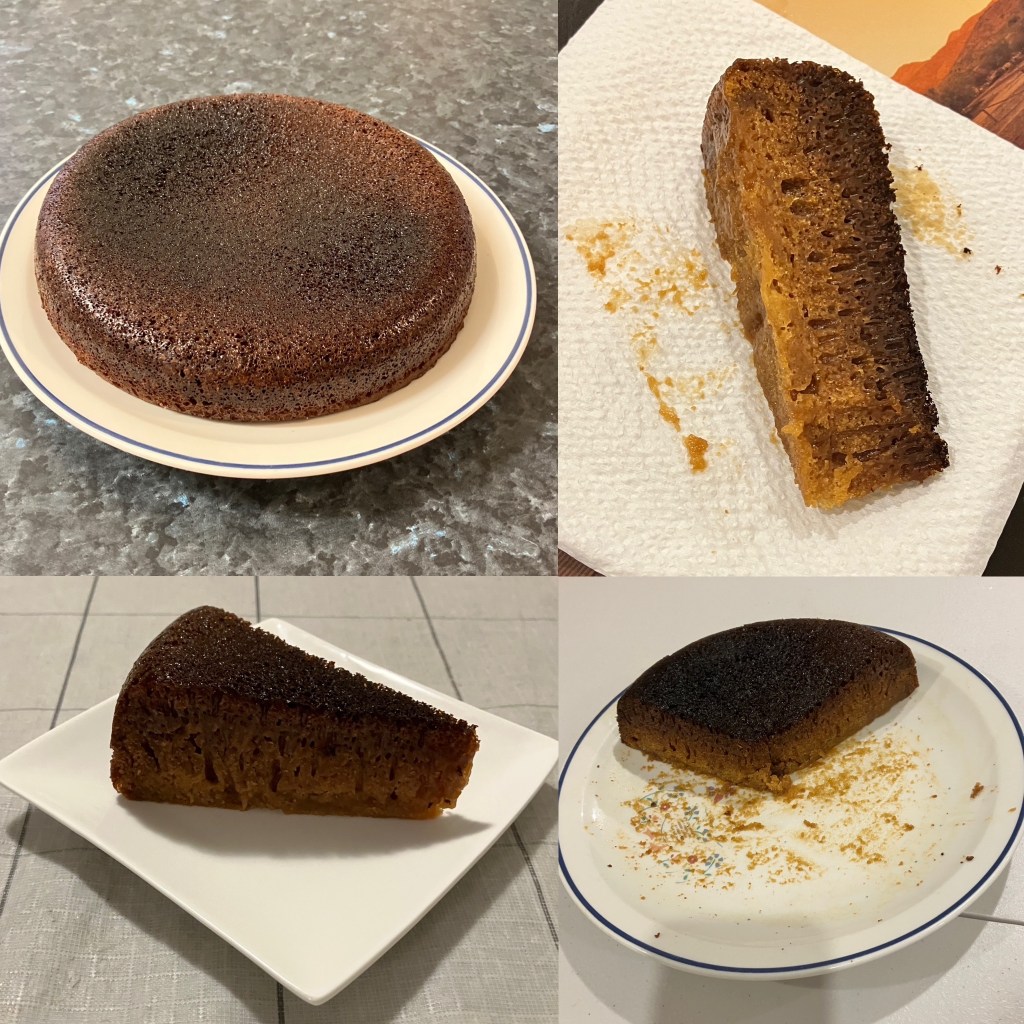
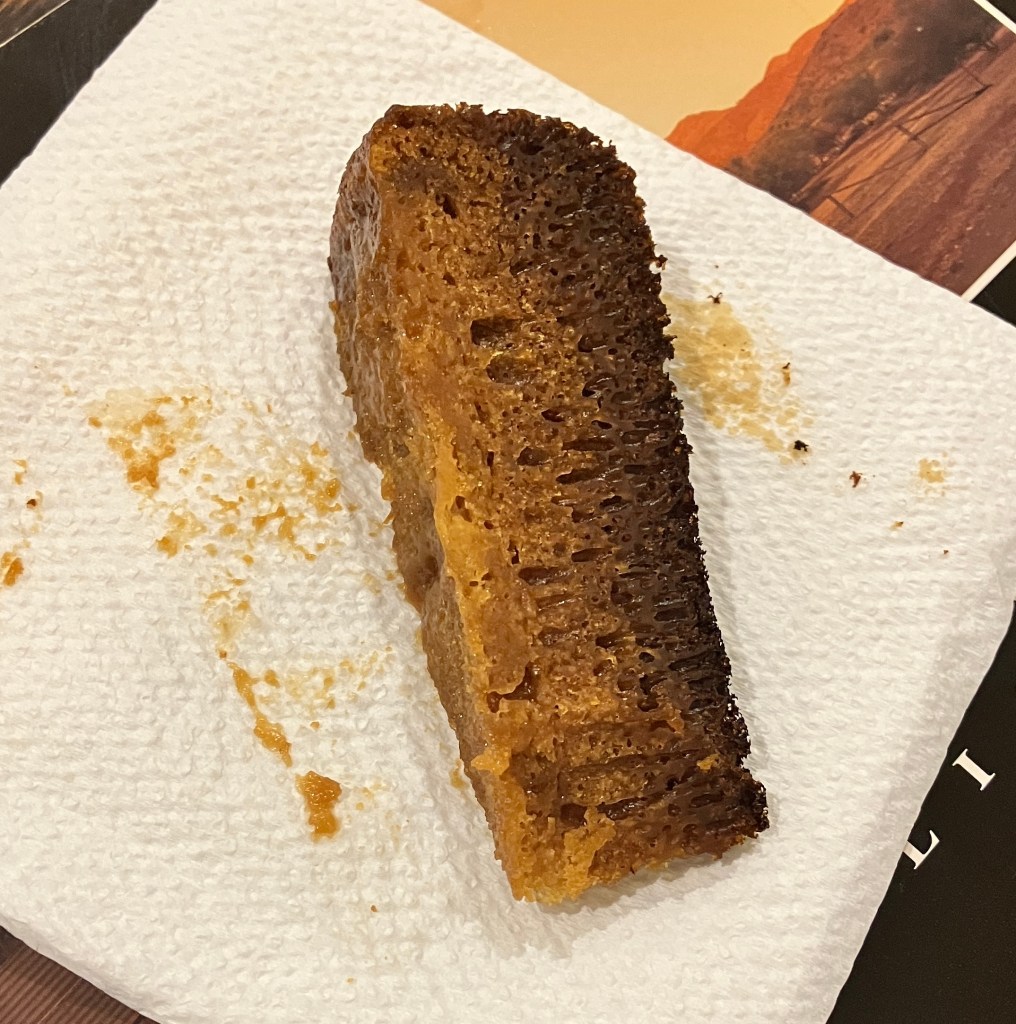
“Bee Hive Cake (Kek Sarang Semut), also known as honeycomb cake, is a traditional Malaysian dessert with a deep caramel flavor and a unique springy, chewy texture filled with tiny holes resembling an anthill. It is a rich, chewy, and tender cake that pairs well with coffee. Inside, it features a signature honeycomb-like pattern, while the outside is a deep golden brown. Soft, chewy, and elastic (springy). Intense toffee-caramel flavour, often made with caramelized sugar, condensed milk, and eggs.”
“Can be either baked or steamed. The cake is often made using tapioca flour for the characteristic bouncy texture, or all-purpose flour. The distinct honeycomb structure is visually appealing and provides a unique “QQ” (bouncy/chewy) mouthfeel. Despite being made with caramelized sugar, the cake is often described as having a balanced, not overly sweet flavor. Made with simple staples found in most kitchens, including eggs, sugar, butter, and condensed milk. Its caramel notes make it an ideal companion for hot coffee or tea. It can be prepared using an oven or a steamer, making it accessible to many, including using a rice cooker.”
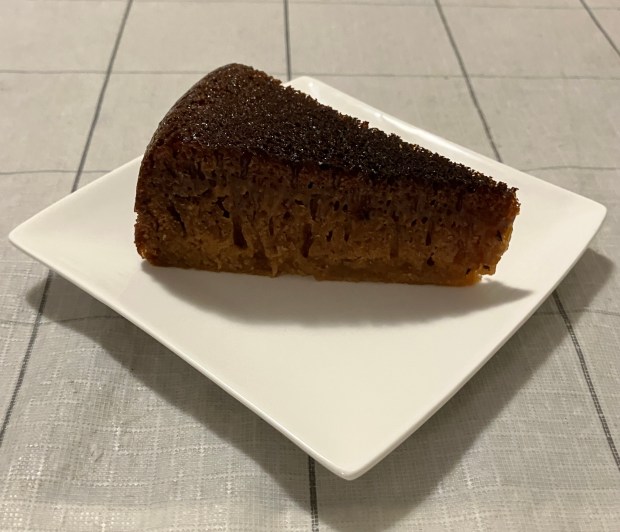
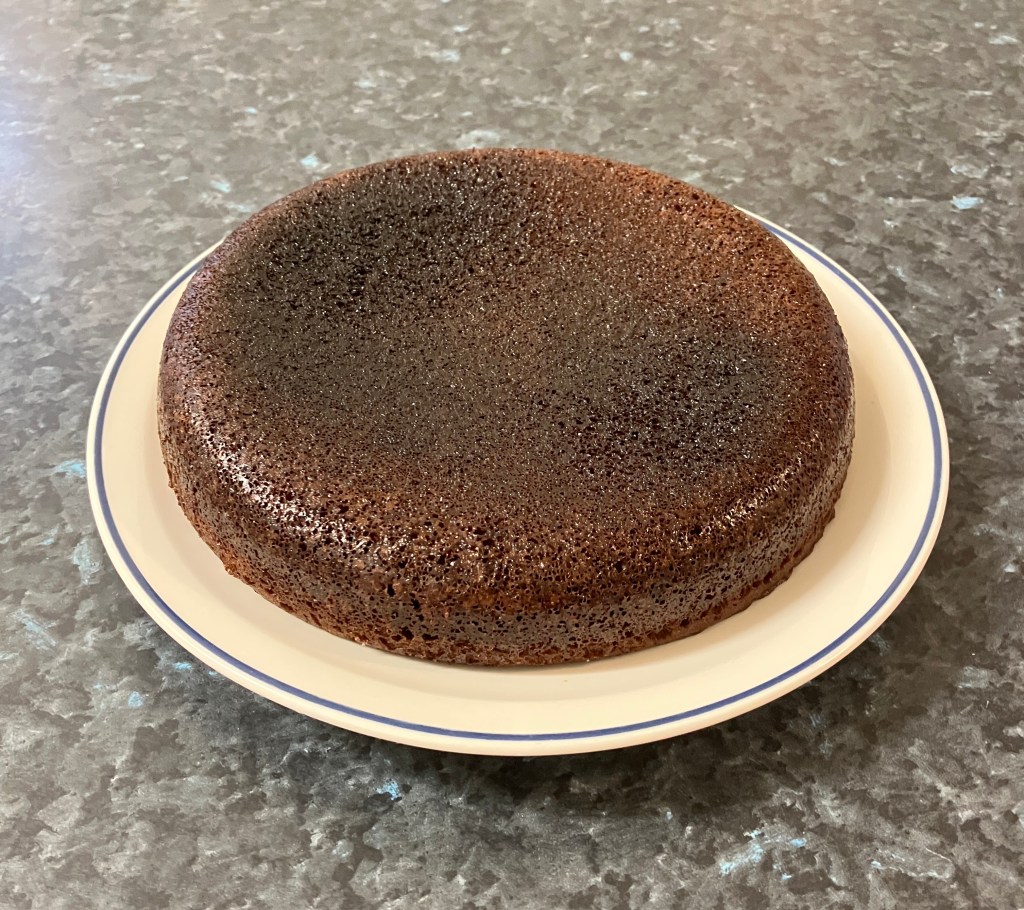
My first try out Malaysian beehive cake using rice cooker. I love changing the ingredients to call my own. I have add Gula Melaka (See Note). It turnout perfect bouncy/chewy and Gula Melaka balance off the sweetness and gives a darker brown colour. Everyone love it and commented it was delicious. Let’s make use of the rice cooker instead of oven for a change!!!
Ingredients
120 g Gula Melaka (Southeast Asian palm sugar)
50 g castor sugar
240 ml water
120 g plain flour
4 eggs
2 Tsp bicarb soda
3 Tbs vegetables oil
80 ml condensed milk
Method
Heat both the sugar in a pot on low heat until caramelised. Add in water a little at each time, be careful as the hot syrup will splash when water is added, stirring always to avoid lumps.
Then add in oil, continue to stir until fully in corporated. Turn off heat. Set aside to cool completely. Using hand held beater beat the eggs for 1-2 minutes. Next add in condensed milk. Continue to beat eggs and condensed milk for a further 3-5 minutes.
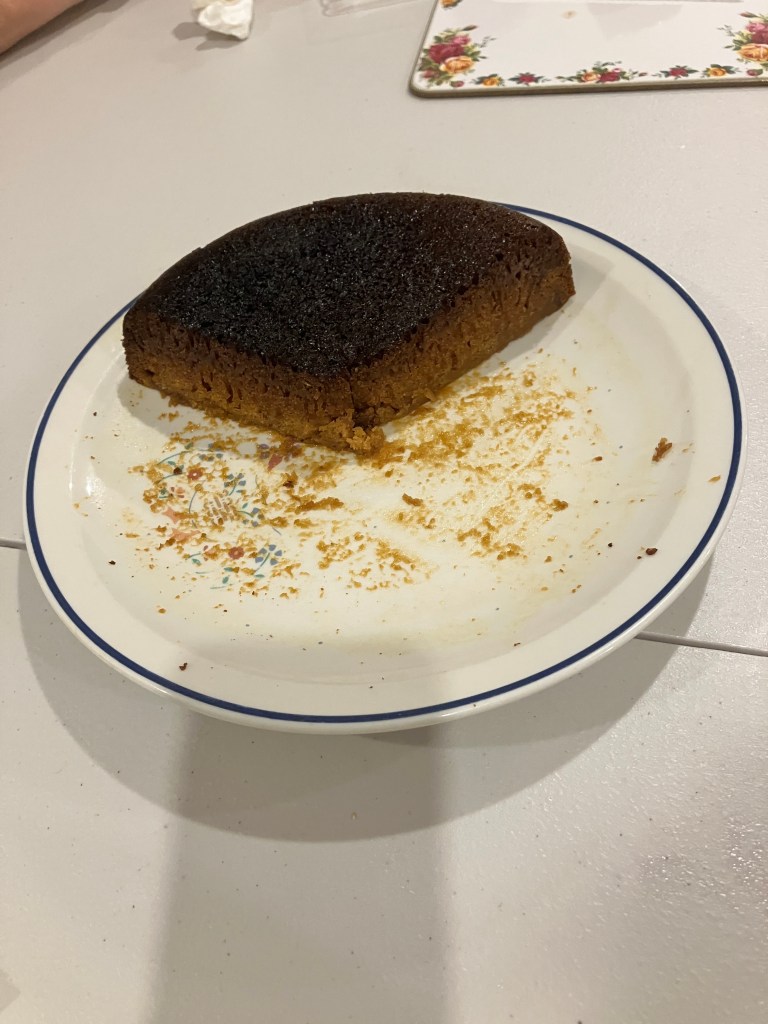
Now add the cooled sugar caramel by straining it into the egg condensed milk mixture. Stir to mixed well. Strain batter directly into the rice cooker pot. Allowing the batter to rest for at least 1–2 hours. After 2 hours time up; place the rice pot into the rice cooker. Press cooking rice function if you rice cooker don’t have cake function. Let it cook until cake is fully cooked. I had to use the cook rice function twice as there were still liquid and colour is blonde. When time up, lift the rice cooker cover up, using a skewer insert in and come out clean. You will know that the cake is cooked when the edges around the cake shrink a bit and when you use spatula insert into the edges and move the spatula around the whole pot.
Cover the rice cooker with it’s lid. Let it sit in the rice cooker for 10 minutes. Then remove the rice cooker pot from the rice cooker machine. Switch off the switch. Allow it to cool completely before flipping out on to a plate. Serve beehive cake with Malaysian coffee or teh tarik (Malaysian pulled tea). Enjoy!!!
Note:
Bee Hive Cake (Kek Sarang Semut): “Resting the Batter: Allowing the batter to rest for at least 1–2 hours is crucial for developing the signature honeycomb holes. Caramelizing the sugar properly provides the signature golden colour and deep flavour.”
Bi ko moi: “a traditional Peranakan/Nyonya; a strong roots among Hokkien Chinese immigrants in Malaysia. It’s a sweet porridge made from black glutinous rice, often served with coconut milk. This popular Southeast Asian dessert, common in Penang; is characterized by its thick, sticky, and pudding-like texture, usually flavoured with pandan leaves and sugar.”
Gula Melaka: “a traditional Southeast Asian palm sugar made from the sap of coconut palm flowers (or sometimes sugar palms), prized for its deep, caramel-like flavour, smoky notes, and dark colour. Unlike refined white sugar, it is minimally processed, serving as a healthier sweetener alternative with a lower glycemic index and higher mineral content. It has a GI of 35 (compared to sugar at 64), providing a steadier, slower rise in blood sugar. It retains more natural nutrients, including potassium, magnesium, zinc, and iron. Contains inulin, a dietary fiber that can help improve gut health. Unlike refined sugar, it provides small amounts of vitamins B1, B2, B3, and B6. It is famously used in Malaysian desserts like cendol, sago pudding, and various kuih (cakes), and it works well as a 1:1 substitute for brown sugar in baking, coffee, and cooking.”
https://helenscchin.com/2026/05/10/bee-hive-cake-kek-sarang-semut/
#helenscchinrecipes
#awesomedessertsandentrees
#cookingforthefun
#foodiesplus


One thought on “Bee Hive Cake (Kek Sarang Semut)”
Comments are closed.